Post Produced By-Abildtrup Blackwell
If you're thinking about refractive lens exchange, you most likely have a great deal of concerns. This treatment can alter exactly how you see the globe, using advantages like lowered reliance on glasses. Nevertheless, it's essential to understand the procedure, threats, and that qualifies as an excellent candidate. Let's check out these vital facets so you can make an informed decision concerning whether RLE is right for you.
What Is Refractive Lens Exchange and Just How Does It Work?
Refractive lens exchange (RLE) is an operation developed to replace your eye's natural lens with a fabricated one, dealing with vision issues like nearsightedness, farsightedness, or presbyopia.
During the treatment, your surgeon makes a little laceration in the eye, removes your all-natural lens, and inserts an intraocular lens (IOL) customized to your vision needs. This outpatient surgery generally takes around 15 to 30 minutes per eye and is performed under regional anesthetic.
You'll likely notice improvements in your vision nearly immediately, though full recovery may take a couple of weeks. RLE is particularly useful for those over 40 or with high prescriptions, offering a lasting service contrasted to glasses or get in touch with lenses.
Your eye care professional can assist establish if RLE is right for you.
What Are the Benefits and Threats of Refractive Lens Exchange?
Picking refractive lens exchange can cause considerable enhancements in your vision, but it's important to weigh both the benefits and dangers prior to deciding.
On the plus side, this treatment can improve your eyesight by fixing problems like presbyopia, nearsightedness, and hyperopia. Many individuals delight in lowered reliance on glasses or get in touch with lenses, which can greatly improve their quality of life.
Nonetheless, it's important to think about potential dangers. Issues can consist of infection, glare, or halos around lights.
There's also Mesa LASIK Care And Recovery of overcorrection or undercorrection, which might call for additional treatments.
Who Is a Perfect Candidate for Refractive Lens Exchange?
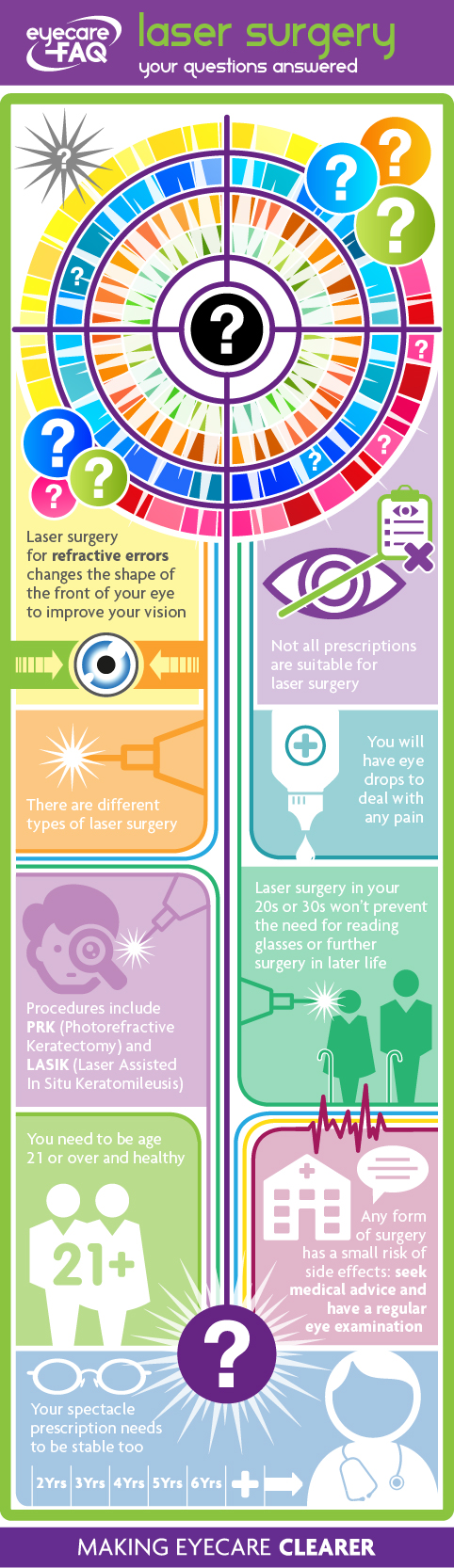
If you're considering refractive lens exchange, it's important to recognize whether you fit the profile of an optimal prospect. Generally, you may be a great candidate if you're over 40, experience presbyopia, or have high levels of nearsightedness or farsightedness.
https://www.nytimes.com/2018/06/17/opinion/lasik-eye-surgery.html 's also crucial that your vision is stable, indicating your prescription hasn't transformed substantially in the past year. If you have cataracts or various other eye conditions, you could take advantage of this procedure also.
Nevertheless, particular variables, like unrestrained diabetes or autoimmune conditions, can invalidate you. To identify your candidacy, talk to an eye treatment professional that can evaluate your particular situation and advise the most effective strategy tailored to your demands.
Conclusion
In conclusion, refractive lens exchange can be a transformative alternative for enhancing your vision, especially if you're over 40 or have a high prescription. While the advantages are substantial, it's important to evaluate the threats and consult with your eye care expert to identify if you're an optimal prospect. With the best info and advice, you can make a notified decision and potentially delight in a life with minimized reliance on glasses.